For Mario Nanni, founder of Viabizzuno, light is much more than a functional element of architecture. It is a material in its own right, capable of shaping space, revealing textures, creating atmosphere and influencing how we experience the world around us.
Presented in Milan in 2010, Nanni’s eight rules of light offer a thoughtful perspective on the relationship between light, architecture and emotion. They remain a reminder that successful lighting design is not simply about how much light we use, but how thoughtfully we use it.
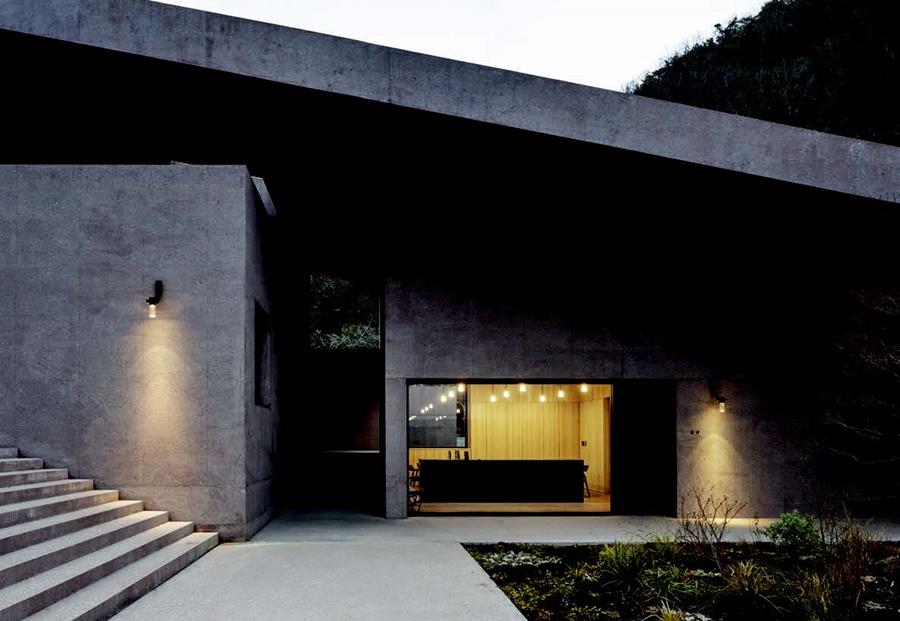
Inagawa Cemetary, Japan – Image courtesy Viabizzuno
1. The absence of presence
The most effective lighting can be felt without its source being seen. Concealed light allows architecture and objects to take centre stage, creating an atmosphere where the illumination itself becomes almost invisible.
2. Light where it is needed
Good lighting is about precision, not excess. By placing light exactly where it serves a purpose, we can draw attention to important details, reveal expressions and create a more considered visual experience.
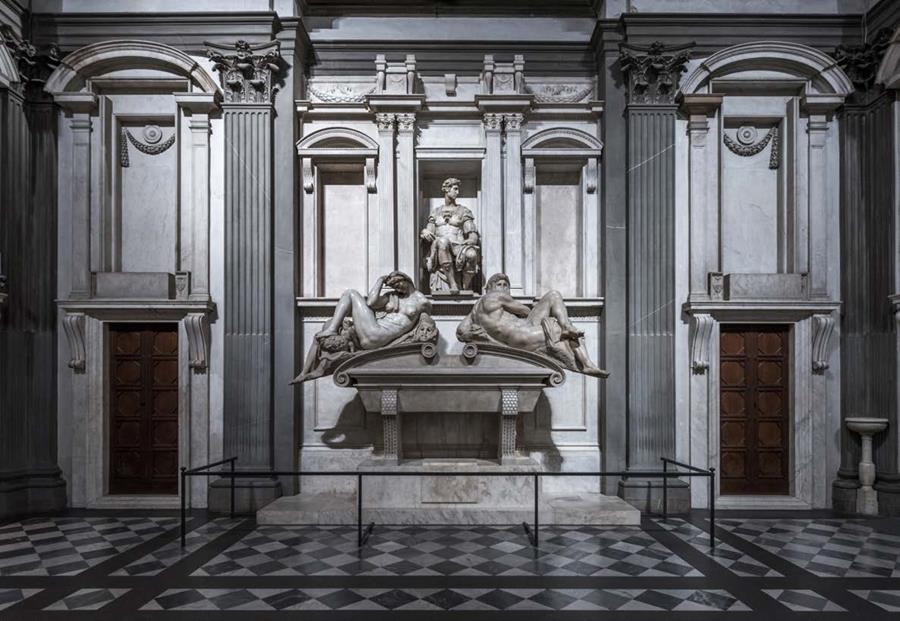
Medici Chapel, Italy – Image courtesy Viabizzuno
3. The depth of light
Light and shadow work together to give spaces depth and dimension. Through their interaction with surfaces and materials, they reveal architectural form, highlight texture and help us understand the space around us.
4. Light as a building material
Light should be considered from the beginning of a project, alongside the other materials that define it. Rather than treating lighting as an afterthought or a way to correct a finished space, integrating it into the design allows architecture and illumination to work as one.
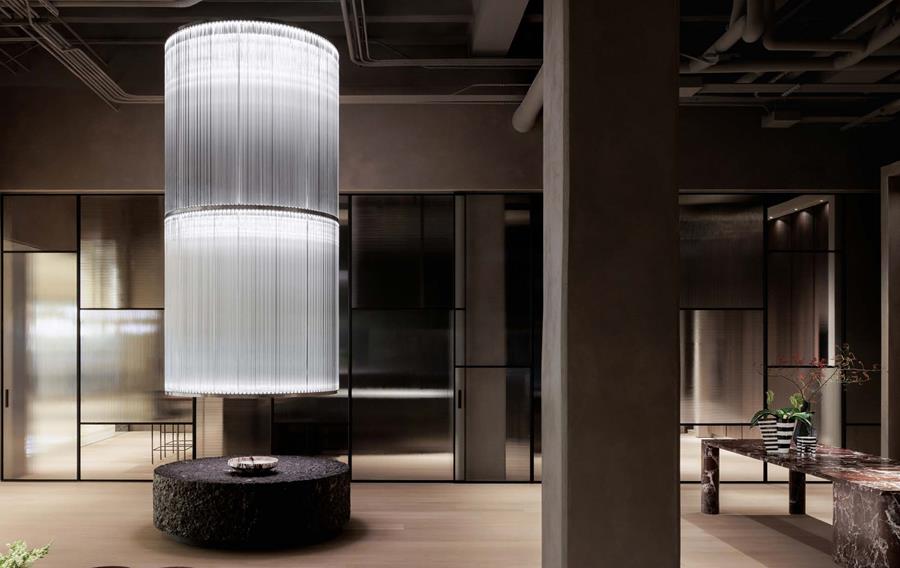
SKS Showroom, Chicago – Image courtesy Viabizzuno
5. The importance of shadow
Darkness is just as important as light. Shadows create contrast, emphasise form and give illuminated elements greater definition. Sometimes, using less light can have a far more powerful effect than illuminating everything.
6. Light in motion
Like sunlight throughout the day, artificial light can transform the way we perceive a building or space. Changing light and shadow can reveal different architectural features, alter a façade’s appearance and give a place a sense of movement and narrative.
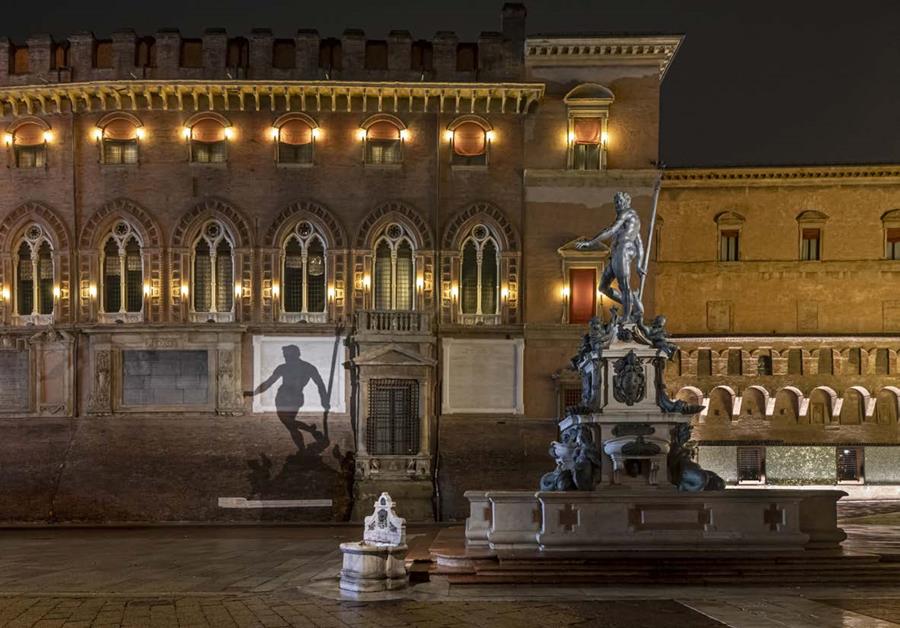
Piazza del Nettuno, Italy – Image courtesy Viabizzuno
7. Light creates colour
Colour is inseparable from light. The way we perceive a material or surface changes with the quality, intensity and direction of the illumination. Understanding this relationship is essential to creating spaces where colours and materials can be appreciated as intended.
8. Emotion beyond words
Ultimately, lighting is about how a space makes us feel. The most meaningful experiences are not always created through dramatic effects or bold statements. Sometimes, it is the subtle way light surrounds a space, guides our attention and reveals its character that leaves the strongest impression.
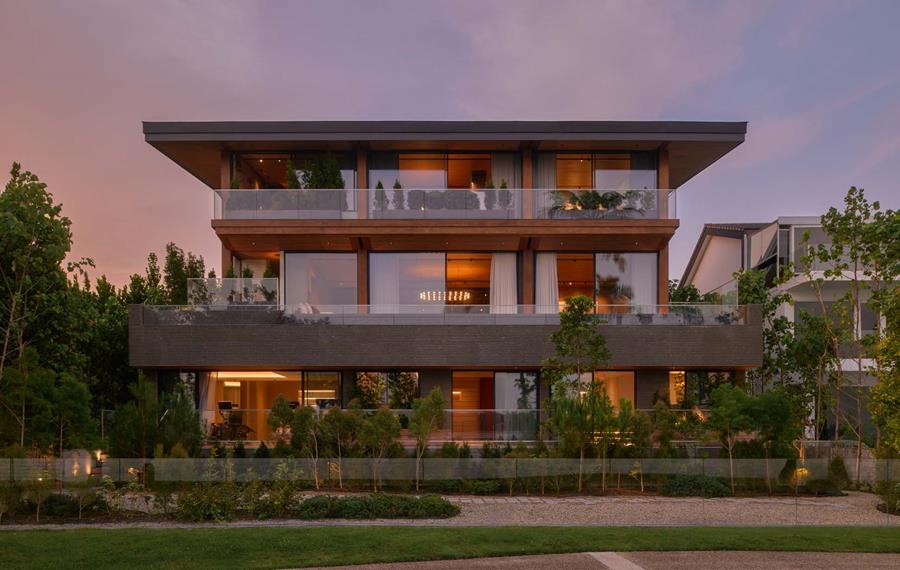
Private Residence, Sentosa, Singapore – Image courtesy Viabizzuno
A different way of seeing light
Mario Nanni’s philosophy encourages us to look beyond illumination and consider the role light plays in shaping our everyday experiences. When light is thoughtfully integrated into architecture, it becomes more than a technical requirement. It becomes part of the story a space tells.
At Sii Light, we’re proud to work with Viabizzuno and share its considered approach to architectural lighting. If you would like to learn more about Viabizzuno, arrange a presentation or discuss an upcoming project, we’d love to hear from you.